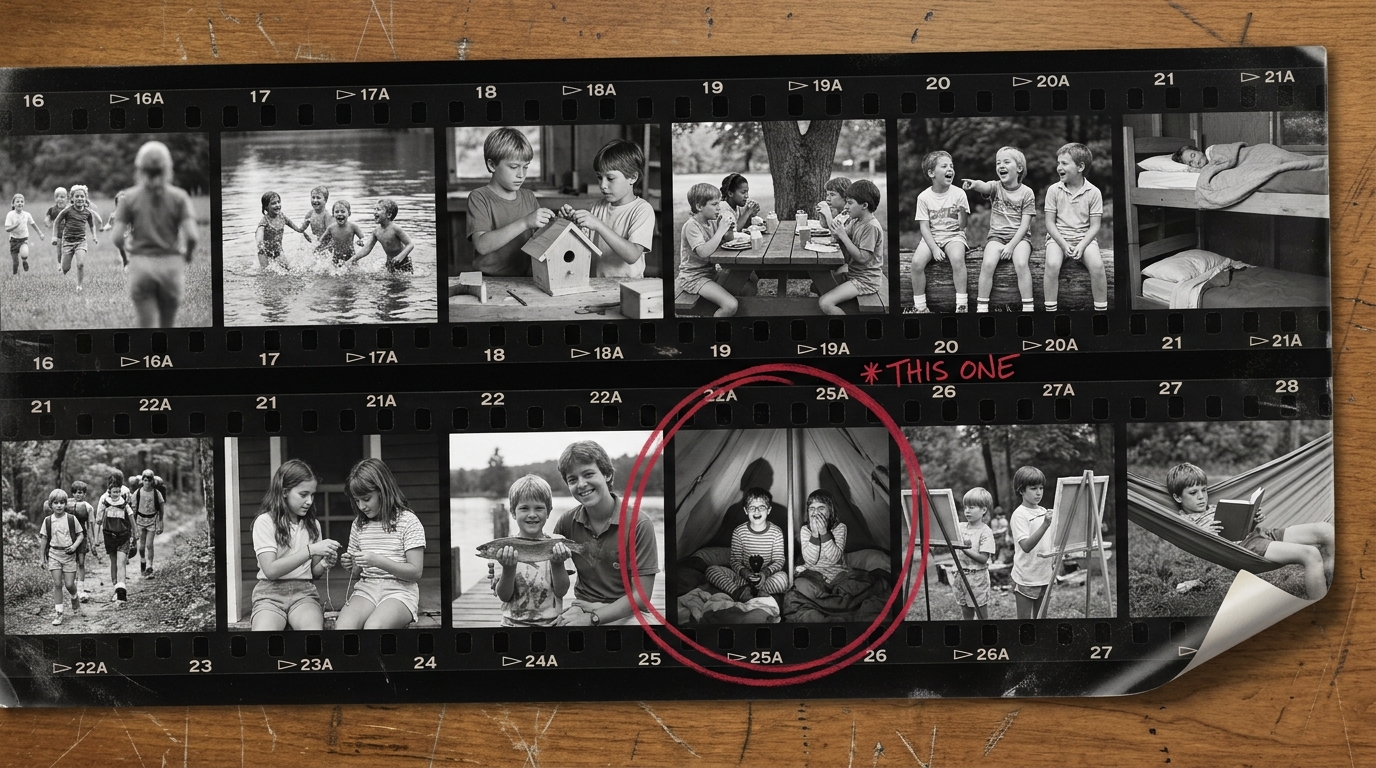
Second and third graders are at a sweet spot for camp. They’ve outgrown the separation worries of kindergarten but haven’t yet hit the social complexity of middle school. The right Durham summer camp for a 7 to 9 year old keeps a consistent group together all week, mixes structured skill-building with genuine free play, and runs ratios that let counselors actually know each kid’s name by Wednesday.
What early elementary actually needs from a camp
Kids in this age band can sustain attention for a 45-minute focused activity, follow multi-step instructions, and self-advocate when something’s off — but only if the structure supports them. A good camp for 7 to 9 year olds has clear daily ritual (the same arrival routine, the same lunch order, the same closing circle), small enough groups that no one disappears, and at least one adult who knows the campers by name within 48 hours. Skill-building starts to land at this age in a way it didn’t at five — a kid can come home from a week of soccer camp legitimately better at first touches, or from a STEM camp able to explain what a circuit does. That payoff matters because it builds the “I can learn things” identity that carries forward.
How Durham pricing breaks down for this age group
Across 140-plus Durham camps that accept ages 7-9, weekly full-day tuition for 2026 lands roughly:
- Parks-and-rec and YMCA traditional day camps — $235 to $310 per week. The most common option for working-parent schedules, with consistent ratios and aftercare to 6 PM.
- Specialty day camps (single sport, art, theater, single-subject STEM) — $325 to $475 per week. Counselor expertise is higher, group size is usually smaller, and the activity depth pays off if the kid actually loves the subject.
- University-affiliated programs (Duke summer programs, NCCU, Durham Tech) — $340 to $590 per week. Often the strongest specialty content in the metro, but registration windows close earliest.
- Day camps at private schools (Carolina Friends, Durham Academy, Trinity School) — $400 to $625 per week. Tend to bundle wider activity rotations and longer day windows.
- Nature and farm camps (Eno River, Triangle Land Conservancy partners, Hill Forest) — $310 to $440 per week. Outdoor immersion with strong heat protocols.
Aftercare typically adds $50 to $85 per week. Sibling discounts of 5 to 10 percent are common at parks-and-rec and Y programs; need-based aid is available at most chartered nonprofits — ask at registration rather than assuming a flat-rate site has no flexibility.
Camp formats that fit second and third graders
The single most underrated decision parents make at this age is length of day. Full-day works for most kids but not all — a child who’s still napping on weekends or melts down at 4 PM after school is telling you something. Half-day morning camps end around noon and pair well with a quiet afternoon; some Durham programs offer a “wrap” that bridges to 3 PM without going all the way to 6.
Single-camp weeks beat multi-camp weeks at this age. Three different half-days at three different sites in one week sounds efficient on paper, but the transitions exhaust early-elementary kids and prevent friend-group formation. If you have to bundle, repeat the same camp across multiple weeks rather than splintering across multiple camps within a single week.
Look for camps that publish their daily schedule on the registration page. A schedule shaped like “9-9:30 arrival circle, 9:30-10:45 activity 1, 10:45-11 snack, 11-12:15 activity 2, 12:15-1 lunch, 1-1:45 quiet read, 1:45-3 activity 3, 3-3:30 closing” tells you the camp has thought about pacing. A schedule that just lists “morning activities” and “afternoon activities” hasn’t.
Local color: where Durham camps actually run
Durham’s summer geography clusters most camp activity in three rings. The Duke campus and the Forest Hills / Trinity Park neighborhoods host the densest concentration of specialty and academic programs — short drives for families in the inner-loop neighborhoods. The Eno River corridor and the parks system to the north (West Point on the Eno, Penny’s Bend, the Hill Forest) anchor most nature and outdoor programs. RTP, while not residential, hosts a growing number of corporate-sponsored STEM camps tied to the Museum of Life and Science partnerships. Hayti and East Durham have a strong slate of community-rooted programs that often fly under the radar of newer-arrival families — the Durham age 7-9 directory surfaces these alongside the more visible Duke-orbit options.
The summer-heat factor matters more than out-of-towners assume. Mid-July through mid-August, midday heat indexes routinely exceed 100°F. The best Durham camps for this age band have shaded outdoor gathering points, AC backup spaces, and a written hot-day protocol — confirm before registering, especially for outdoor-leaning programs.
Red flags to screen for
A few signals reliably separate camps that work for 7 to 9 year olds from camps that don’t:
- Vague schedule — if the registration page won’t tell you what the day actually looks like, the camp doesn’t have a strong rhythm.
- Mixed-age groups wider than three years — a 7-year-old grouped with 11-year-olds gets either lost or imitating older-kid behavior. Two-year age bands are tighter and better.
- No published staff-to-camper ratio — and a refusal to give one over the phone.
- No sick-kid or behavior policy in writing — both will come up. Better to know how the camp handles them before week one.
- Single-week-only refund window that closes more than 60 days out — reasonable for overnight camps with locked-in food costs, suspicious for a day camp.
For a wider primer on selecting against these screens, the how to choose summer camp guide walks through the registration-page audit step by step.
Where to start in Durham
Open the Durham age 7-9 directory, filter by the weeks you actually need covered (most working-parent gaps are weeks 24 through 33 on the standard DPS calendar), and short-list five to seven camps that fit your transit radius. From there, send the same three questions to each: actual operating ratio, daily schedule, hot-day protocol. The camps that answer cleanly within 48 hours are usually the camps that run cleanly all summer.
Register for first-choice weeks early. Duke summer programs and the strongest specialty offerings typically fill January through early March; parks-and-rec opens in February and the popular weeks fill within hours of registration going live.
Methodology
Pricing reflects 2026 rates published or quoted by Durham-area camps in the Summer Camp Planner catalog. Ratio guidance references American Camp Association accreditation standards alongside North Carolina Division of Child Development licensing rules. Article reviewed by Justin Leader.