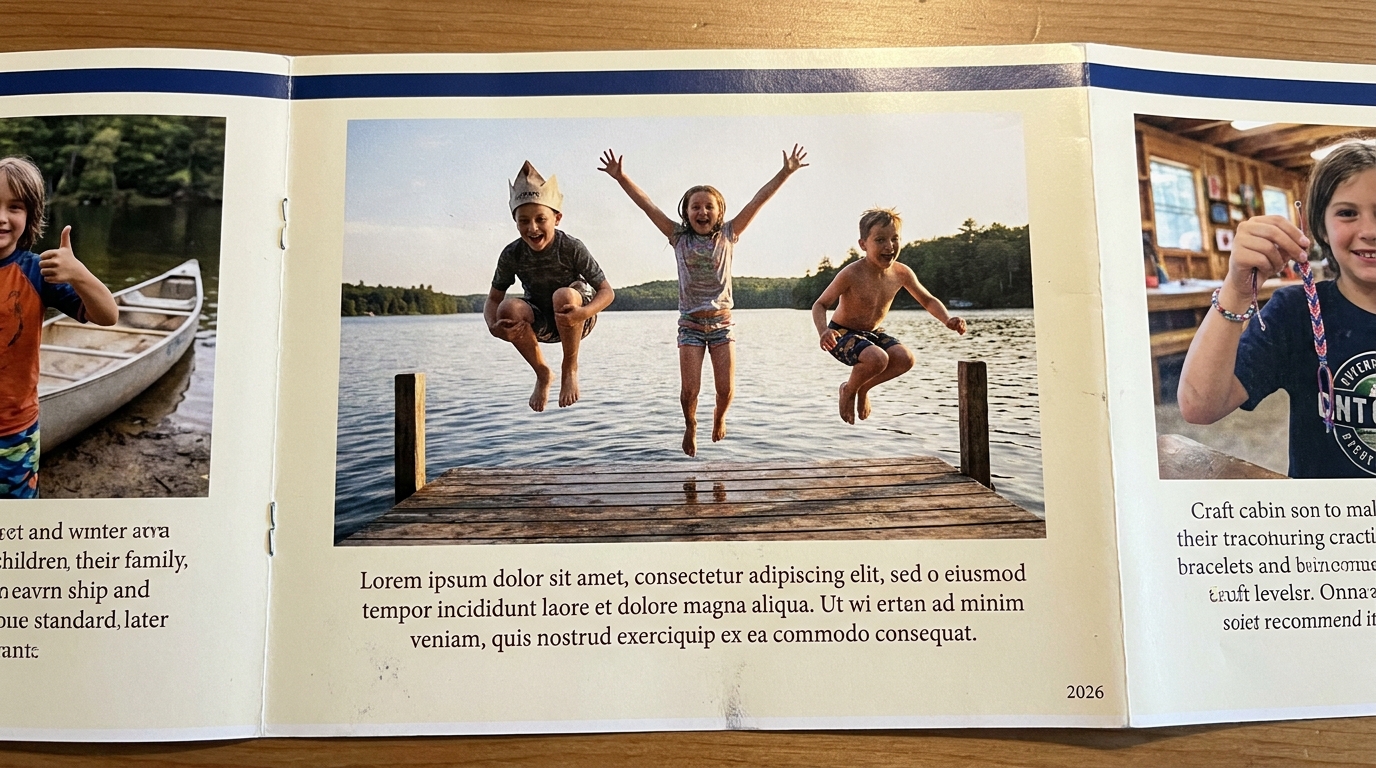
Overnight summer camp from Durham in 2026 is mostly a regional NC story — sleepaway weeks at residentials within a two-hour drive, plus a few Durham day programs that bolt a single campout onto the end of a week. Tuition runs roughly $475-$1,150 per week residential, with bus pickups from Triangle meeting spots adding $75-$200 round-trip. First-time campers do best with a short three-night intro session before a full week.
The Durham overnight scene is regional, not local
Durham proper is dense, walkable, and full of universities — the campus crawl from Duke through Trinity Park doesn’t leave a lot of room for a residential summer camp inside city limits. What Durham does have is excellent access to the rest of North Carolina: an hour to Pinehurst, two hours to Asheville-direction mountain camps, an hour-fifteen to lakefront sites in the Piedmont, and two-and-a-half hours to coastal-adjacent programs near Greenville. Of the Durham-tagged overnight options in the directory, the majority are partner residentials that pick up Durham kids by bus or list a Durham parent meet-up. The remainder are Durham day camps with a single end-of-week campout — useful for a first-overnight sampler, not a full sleepaway experience.
Real price ranges for NC residentials within two hours
Across the Durham-adjacent overnight catalog, expect tuition to land in three tiers:
- Faith-based and 4-H residentials — $475-$725 per week, all meals and lodging included, often with transportation surcharge.
- Traditional camp-association residentials — $725-$975 per week, typically with horseback, archery, lake activities, and a more counselor-rich ratio.
- Specialty residentials (riding, sailing, robotics) — $950-$1,200 per week, with extra fees for clinics, gear rentals, or competition entries.
A two-week session generally drops the per-week rate by 10-15%. Most camps publish a transportation menu — bus from a Triangle pickup, family drop-off, airport shuttle for fly-in campers. Triangle bus add-ons cluster around $125 round-trip; a family driving solo to a mountain camp should budget gas plus a hotel night if the dropoff window is tight.
Distance shapes the experience
Drive time matters more than parents expect. A one-hour camp means a mid-week visit is logistically possible, parent weekends are realistic, and a last-minute kid-needs-a-pickup is a 60-minute round trip. A two-and-a-half-hour camp means none of that is true — visits are a half-day commitment, parent weekends require a hotel, and emergencies become a real problem.
That trade-off is real but cuts both ways. The deeper-NC mountain and coastal residentials are often the better programs — bigger sites, longer-tenured staff, more program depth — precisely because they’re far enough from cities to operate at scale. A Durham family choosing between a one-hour Piedmont camp and a two-hour mountain camp should weigh program quality and the kid’s readiness for a longer stretch unreachable, not just convenience.
Five overnight directions worth considering
Durham parents researching 2026 sleepaway options tend to circle five rough buckets — useful as a navigation aid even before naming individual programs.
- Mountain residentials in the Asheville direction — long-running camps with horseback, hiking, and creek programs. Bus pickup from Triangle meeting points is common.
- Piedmont lake camps — closer drive, water-focused, often family-friendly visit policies. Camp Cheerio operates in this orbit and is a familiar name for Triangle parents.
- Coastal-adjacent programs near Greenville and the Pamlico — sailing, marine science, and outdoor-ed residentials that draw heavily from the eastern NC and Triangle regions.
- Faith-based and 4-H residentials — broad statewide network, lower price points, often the first-overnight home for Durham elementary-age kids.
- Specialty residentials — riding camps in the Sandhills, music camps at NC universities, and robotics residentials that double as STEM intensives.
For a wider overnight survey beyond Durham’s two-hour radius, our Durham summer camps guide covers the full Triangle catalog, day and overnight together.
Prep that actually moves the needle
A first overnight is a real transition, not a logistics problem. Three things help more than any packing-list optimization:
- Run a practice night. A weekend at a grandparent’s, a sleepover at a friend’s, a one-night Y mini-camp. The point is to discover homesickness before a paid week is on the line.
- Pre-write and pre-stamp the mail. Most camps allow incoming letters; a stack of pre-addressed envelopes pre-loaded with your kid’s name and bunk gets used. Email-only camps lose this effect — letters in a campers’ hands at mail call still beat the screen version.
- Pre-commit to no early pickup. Tell your kid before drop-off that you won’t pick them up early unless the camp staff calls you with a real concern. Day-two homesickness almost always resolves by day three; a parent rescue on day two teaches the kid that homesickness summons rescue.
Questions to ask the camp before deposit
When you’re narrowing down, ask the camp office these before paying a deposit:
- What’s the actual age range of campers in the cabin my kid will be in? (Stated 8-12 sometimes means mostly 11-12.)
- What’s the camper-to-counselor ratio in the bunk overnight, not just the program ratio?
- What’s the homesickness protocol — when do counselors call parents, when do they not?
- What’s the medication and allergy handoff process at check-in?
- What does the parent-pickup process look like on the last day — and what happens if I’m late?
- Is there a Durham bus pickup, what’s the cost, and where does it depart?
Methodology
Written against the live Summer Camp Planner US + Canada catalog of 19,500+ camps. Pricing references draw from pricing_stats refreshed nightly. Editorial review by Justin Leader.