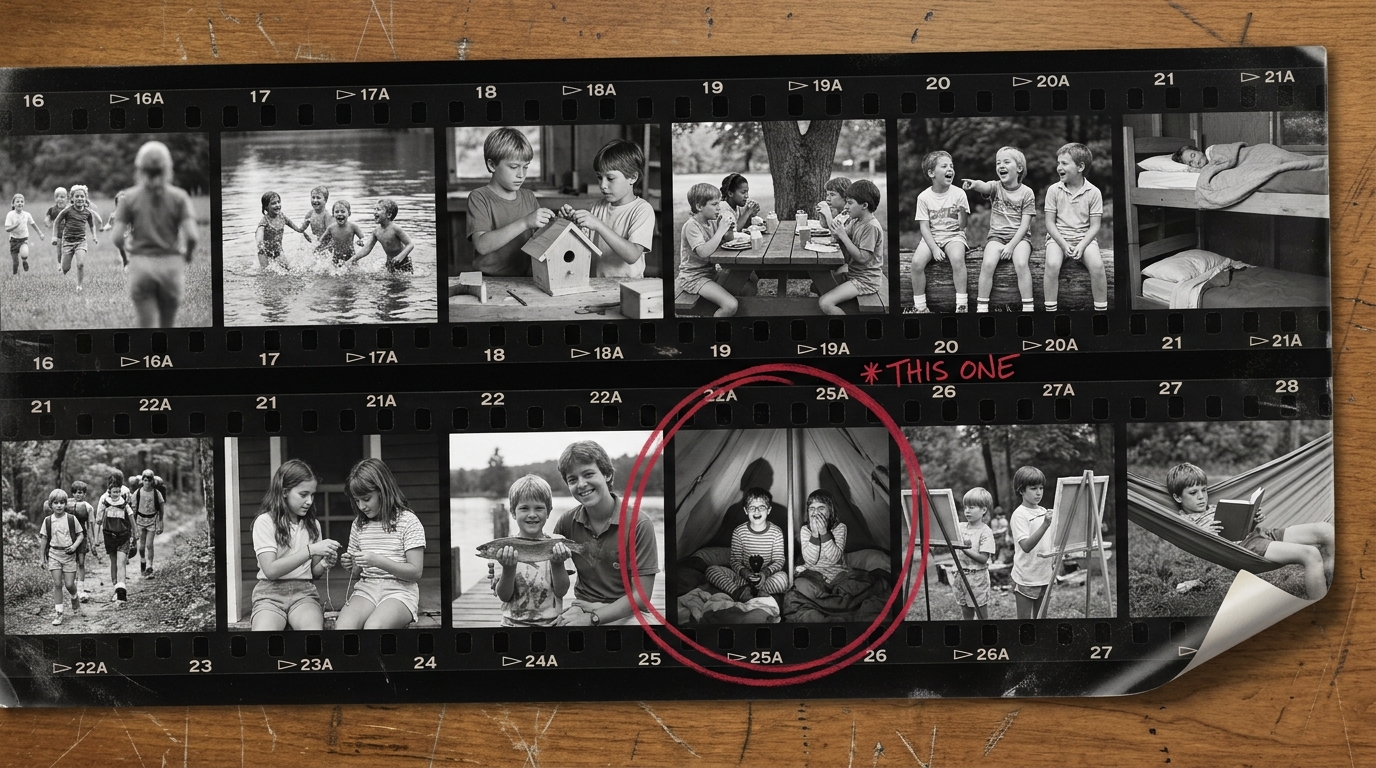
Early-teen camp planning in Durham is where the Research Triangle’s distinctive offer kicks in hardest. Duke pre-college, Duke Summer Academy, NC State and UNC sport intensives, and a deep western North Carolina overnight-camp tradition give 13-, 14-, and 15-year-olds access to programs that genuinely shape how a kid spends a summer rather than just filling it. Here’s how the 2026 picture looks.
What this age actually needs from a summer week
Three things matter most for ages 13 to 15. Real peer culture, where the kid is among other kids who chose to be there for the same reason. Real depth in the topic, where the week makes visible progress in a craft or domain. And real autonomy, where the kid is treated more like a younger teammate than a managed child.
This rules out a lot of generic camps. Multi-activity weeks designed to entertain 8-year-olds make 14-year-olds sullen by Wednesday. The good news: in the Triangle, the bench of programs designed specifically for this age is unusually strong, partly because Duke, UNC, NC State, and Davidson are all close enough that early-teen residentials feel like a mild rite of passage rather than an exotic event.
The Durham age 13-15 directory is the right starting filter. Layer on category, residential vs commuter, and length of session before comparing.
Durham 2026 pricing for early teens
Pricing for ages 13 to 15 in Durham splits clearly. YMCA, JCC, and Durham Parks and Rec teen weeks come in at $200 to $375, comparable to the US 2026 median of $402 per week and the most affordable real option. Standard full-day specialty weeks (sport, arts, STEM) run $400 to $700. University-affiliated commuter intensives at Duke and similar programs run $700 to $1,400. Residential academic intensives at Duke, Davidson, and Wake Forest run $1,800 to $3,200 per week, with multi-week residentials clearing $5,000.
Western North Carolina overnight camps for this age cluster at $1,200 to $1,900 per week, with longer multi-week sessions priced at a meaningful per-week discount. The 2026 pricing guide has broader national context.
Formats that fit 13 to 15
Four formats consistently land for this age in the Triangle.
University academic intensives. Duke pre-college and Duke Summer Academy are the recognizable flagships; comparable programs at Wake Forest, Davidson, and UNC fill out the bench. Look for sessions where students work on a real project or paper rather than touring through lectures.
Sport-specific training weeks. Duke, NC State, and UNC each run several. The differentiator is whether actual program coaches are on-site or whether the camp is licensed to the university name and run by external staff. Ask directly.
Performance-arts conservatories. The North Carolina School of the Arts in Winston-Salem runs the strongest residential program in the region for this age; smaller credible programs run in the Triangle and Triangle-adjacent.
Western NC mountain overnights with strong peer culture. Two- and three-week sessions are typical at this age, and they deliver more peer growth than any commuter alternative.
Things to screen out
Five worth checking:
- Who is actually teaching or coaching. At university programs, faculty involvement vs grad-student vs licensed-name-only matters a lot.
- Phone policy. Loose policies degrade group dynamics fastest at this age.
- The actual peer mix. A “13 to 18” residential group puts a 13-year-old with high-schoolers, which is rarely what parents want. A “13 to 15” group is right.
- CIT eligibility at the upper end. Many overnight camps offer CIT pathways at age 14 or 15; some are real leadership development and some are dressed-up free labor. Ask former CITs.
- Drop-off and pickup logistics for residentials. The drive to Brevard, Black Mountain, or Highlands is meaningful from Durham; build in the travel days.
Where to start in Durham
Start with the Durham directory filtered to age 13-15, then split residential from commuter early — they’re different planning exercises. The Triangle STEM filter surfaces the academic and engineering options that benefit most from the regional university density. The Durham summer camps guide frames the broader metro picture and helps when you’re balancing a teen’s residential week with younger siblings’ commuter logistics.
What parents tell us at this age
The Triangle parent-feedback pattern for 13 to 15 is consistent. The summers that work best are usually built around one substantive anchor experience — a two-week residential, a Duke pre-college session, a sport intensive, a mountain camp — surrounded by lighter local weeks or family time. Trying to fill the whole summer with high-substance programs at this age leads to burnout and resentment by August. One real anchor and a generally unstructured summer often produces a better fall than four packed weeks of programming. Plan toward the anchor first; the rest of the calendar gets easier once it’s set.