What the arts camp scene looks like in New York City
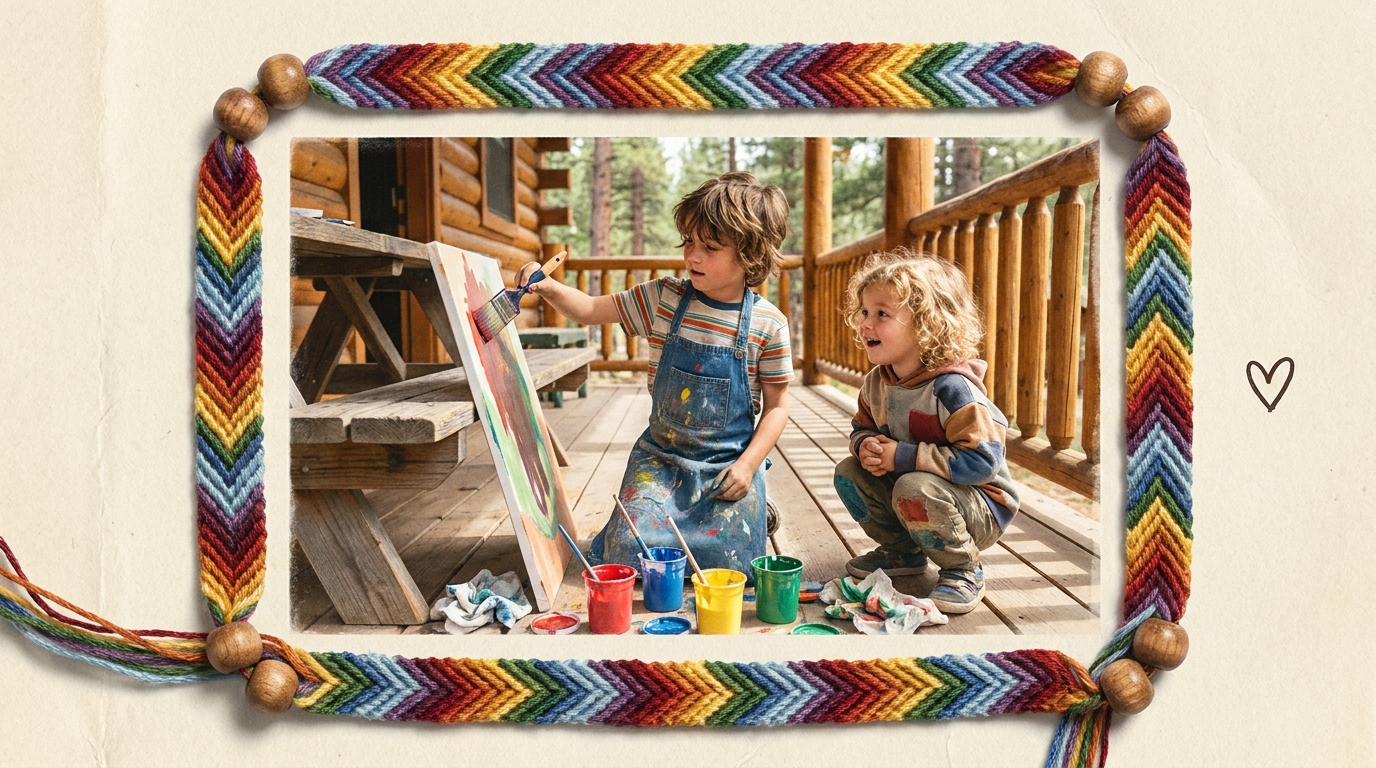
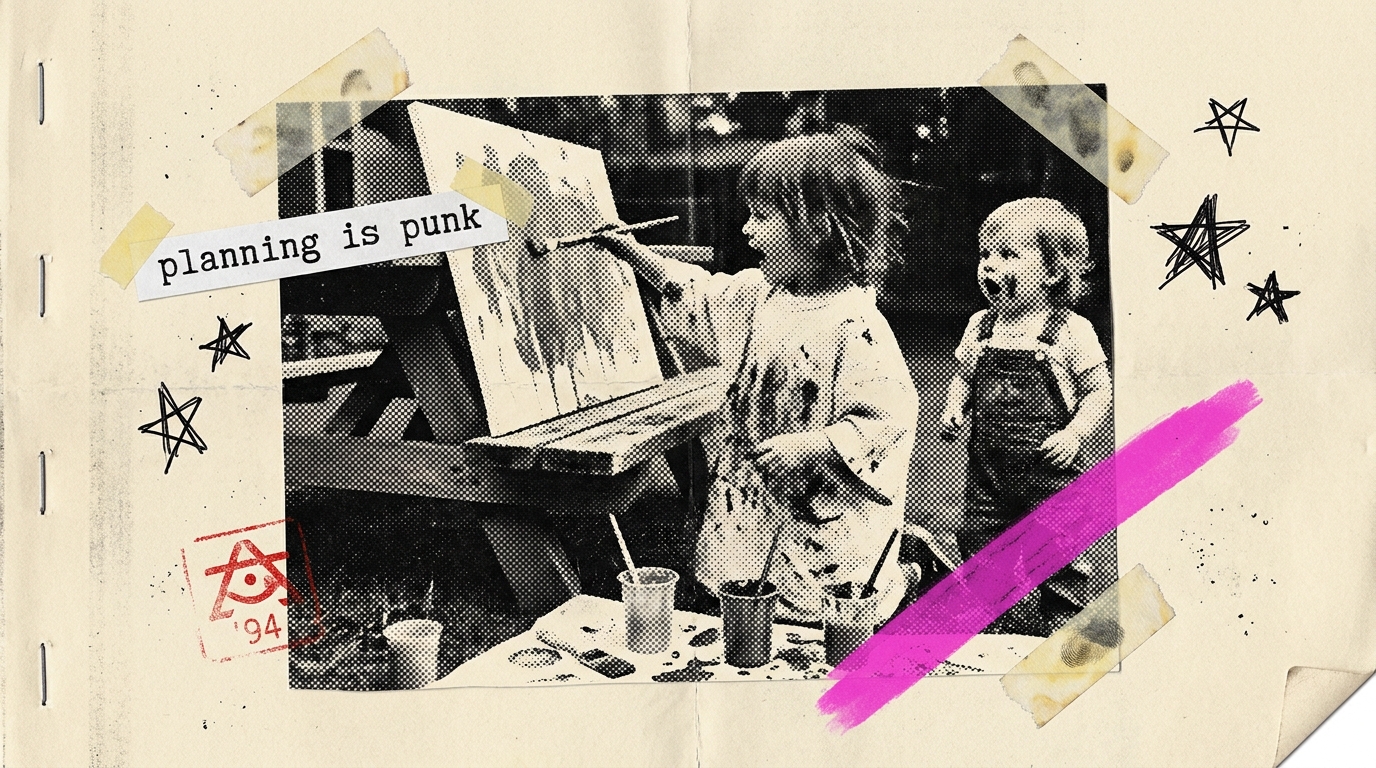
New York City has the deepest arts camp bench of any US metro, for obvious reasons: the city’s professional arts infrastructure extends directly into summer programming. Expect four distinct tiers. Cultural institutions (museums, performing arts centers, conservatories) run premium weeks anchored in their professional programs. University-affiliated arts camps run college-adjacent studio and performance weeks. Private specialty providers run mid-market creative-arts and discipline-specific camps. Borough arts councils and community centers run subsidized or free arts weeks that punch well above their sticker price.
All five boroughs carry meaningful arts camp density. Manhattan is heaviest on conservatory-style performing arts (theater, dance, film) and museum-run visual arts. Brooklyn has the richest independent studio art and maker-arts programming. Queens and the Bronx lean into cultural-heritage and community-arts programming, often with bilingual and free options. Staten Island has a smaller but reliable bench of community-center arts weeks. The full New York City arts camp directory is the fastest way to sort by discipline.
How much arts camps cost in New York City in 2026
NYC arts camps run about 30 to 40 percent above the national median of $402 per week, putting the 2026 full-day range roughly at $650 to $1,300. Conservatory programs (musical theater camps, film camps, serious dance programs) cluster at the top, and selective weeks at major institutions can push past $1,500. Visual art studios and broad creative-arts day camps sit in the middle. Community arts programs, borough arts council weeks, and cultural-center camps often land near or below the national median.
Half-day morning arts programs are more common in NYC arts than in most categories, running $350 to $550 per week. That’s a useful structure for younger kids or for combining a creative morning with a sports or nature afternoon. If the full-day rate is tight, the NYC arts financial aid filter surfaces programs with published aid pathways — NYC arts funding runs deeper than most metros.
Ages and formats that fit best
Ages 5 to 8 fit the broad creative-arts day camp model well. A typical week rotates visual art, drama games, music, and movement, which matches how kids that age engage with art. Ages 9 to 12 start needing a specific track — studio art, musical theater, ceramics, dance, filmmaking, comic art — with enough depth to produce a real piece or performance by Friday. Generalist arts camps plateau around age 11 or 12. Teens 13+ usually need conservatory-style camps, portfolio-building studios, or discipline-specific intensives; otherwise attendance drops mid-week.
Format is where NYC arts differs most from other categories. Weekly full-day camps are common, but many arts programs run two-week or three-week production-arc formats — especially musical theater (which culminates in a full show) and film (which ends in a screening). Pre-college intensives for older teens often run four to six weeks. Half-day morning formats are common and work well for summer-long creative rhythms.
A few NYC-specific format notes. Because arts camps often require specialized space (theaters, studios, darkrooms, dance floors), they tend to sit in fixed venues rather than rotating. That’s good for logistics but also means capacity per week is tight — premium NYC arts camps fill earlier than most other categories. If you’re targeting a specific discipline or institution, aim for a February registration date. Also, arts camps in NYC vary dramatically in how much parent engagement they expect — musical theater programs often require attendance at a Friday show, while visual art studios may just send work home. Check the commitment before registering.
Five things that separate strong NYC arts camps from weak ones
The NYC arts market has the widest quality spread of any camp category, so these five signals are worth screening hard for.
- A clear end-of-session deliverable — show, screening, exhibit, portfolio. Arts camps without an ending event usually aren’t producing real work.
- Working-professional or credentialed educator leads, named publicly. This is the single biggest quality variable in performing arts and film.
- A published daily schedule, not just “studio time.” Real programs structure warm-up, instruction, work blocks, and sharing.
- Materials and costume costs disclosed upfront. Programs that add these later often cost 10 to 20 percent more than posted.
- Reasonable class size — 12 to 16 for generalist arts, 8 to 12 for conservatory-style tracks. Larger means less individual feedback.
Questions to ask before you register
- What’s the end-of-week or end-of-session deliverable? Arts camps vary more in output than any other category. A real program has a clear showing, performance, screening, or exhibition.
- Who’s teaching? For performing arts and film especially, ask whether leads are working professionals, working educators, or college interns. The difference shows up by Wednesday.
- Are materials and costumes included, or is there a separate fee? Studio art and theater camps often add $50 to $150 in materials on top of published tuition.
- Does the program require an audition or portfolio review? Many conservatory-style NYC camps do, and that can shift your registration timeline by weeks.
- What’s the performance or exhibition schedule for families? Ending events are part of the product; skip camps that don’t publish one.
For a broader look across NYC categories, see the full New York City summer camp directory.