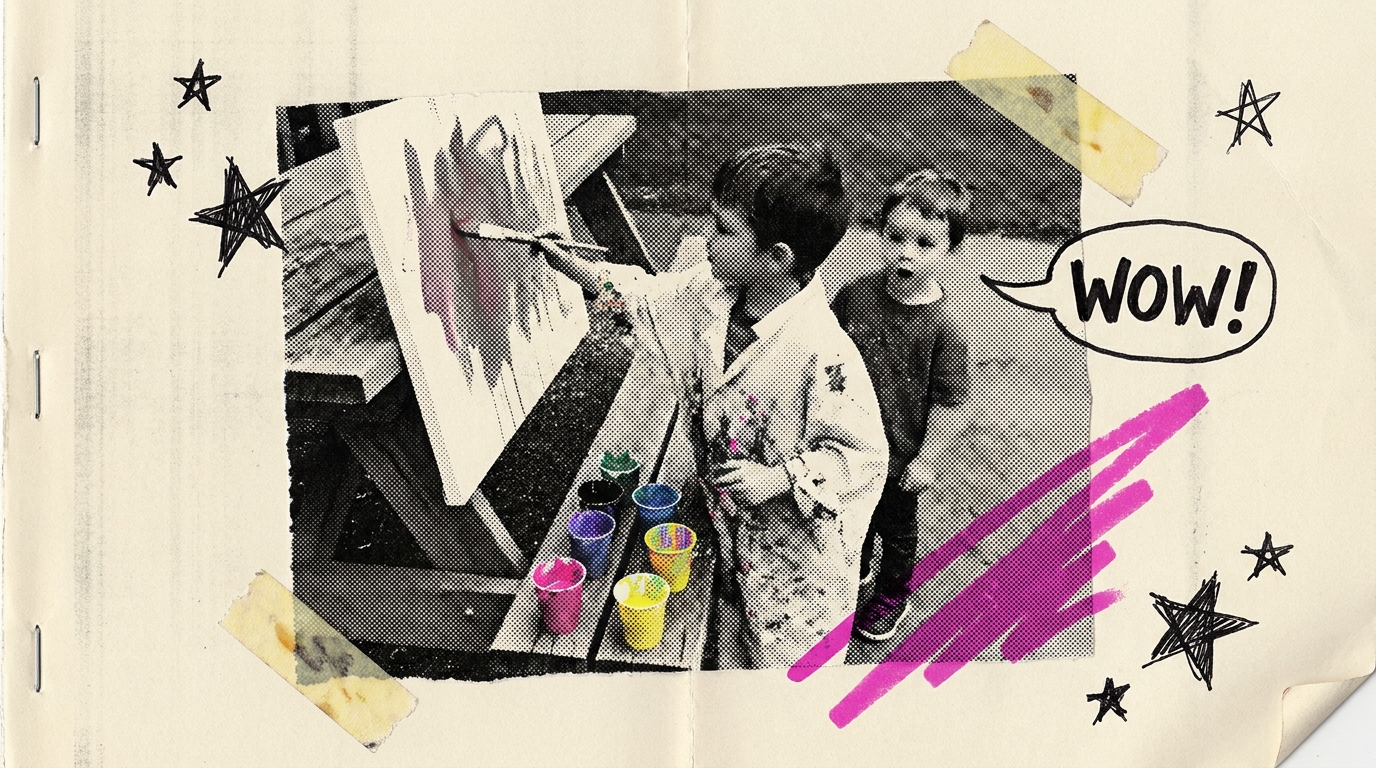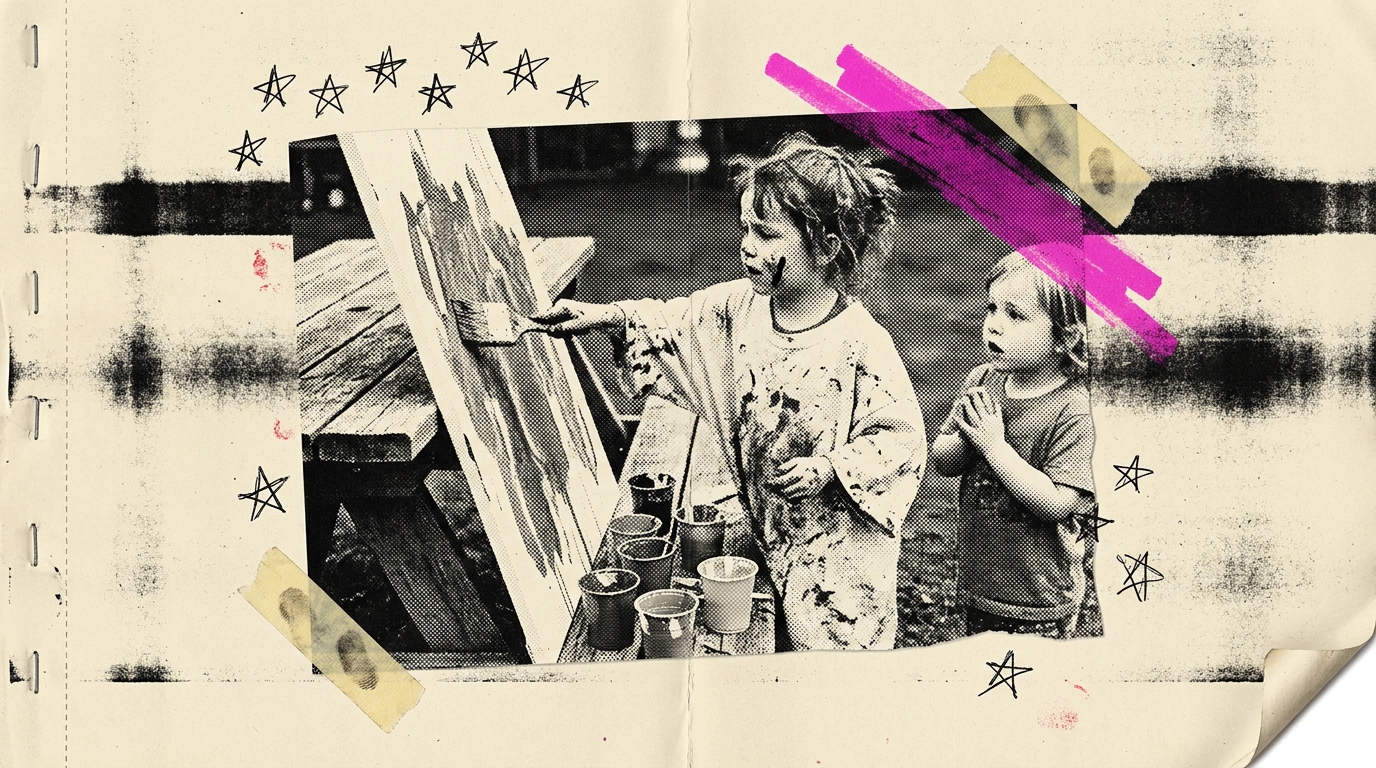
LA’s arts-camp bench runs deep, which reflects the city’s actual working-artist population. Museum education departments, working-artist-run studios, university extension programs, and independent art schools all field summer programming, and the quality range is wider here than in almost any other category. The catch is that LA arts pricing sits 20 to 30 percent above the national median, and the best programs close their waitlists fast.
What the arts camp scene looks like in Los Angeles
Arts camps in LA fall into four recognizable groups: museum education programs (often with unique facility access), independent studios run by working artists, franchise or chain programs (with consistent curricula and variable local instructors), and arts tracks embedded in traditional day camps. The first two typically deliver the strongest learning per hour, and they are also where most of the scholarship activity lives.
Neighborhood matters here. The Westside and Culver City have the highest concentration of museum-affiliated and gallery-adjacent programs. Pasadena holds a strong arts-institute bench. The Valley has been quietly building out studio programming in Sherman Oaks and North Hollywood. The Los Angeles arts camp directory makes the geographic split visible so you can sort by drive time before you sort by vibe.
How much arts camps cost in Los Angeles in 2026
Expect $425 to $675 per week for a full-day LA arts camp in 2026, with a median near $525. The US arts-camp median sits around $410, so LA runs about 25 percent higher. The premium is genuinely tied to facility and instructor quality in most cases — kiln access, printmaking presses, and working-artist instructors cost real money to run.
Community-based arts programs at city rec centers, libraries, and nonprofit arts organizations run $225 to $400 per week and are often excellent, especially for first-time campers. University extension and museum programs can reach $700 to $900 per week when they include materials kits, studio access, and smaller class sizes. Extended-care adds another $75 to $150 weekly. The summer camp pricing guide breaks down how the LA premium compares nationally.
Ages and formats that fit best
For ages 5 to 7, prioritize mixed-media exposure over skill-building — a good week touches painting, clay, collage, and sculpture without forcing mastery. Ages 8 to 11 thrive in project-based weeks where they produce one or two finished pieces rather than a craft per day. Ages 12 and up do best with discipline-specific focus (ceramics, illustration, digital art) and instructor feedback that treats the work seriously.
Format matters too. Full-day arts camps are long for younger kids, and many of the best LA studios offer 9 a.m. to 1 p.m. schedules that pair well with afternoon swim, sport, or park programs. For teens, multi-week intensives at museum or studio programs produce meaningfully different output than one-week samplers — portfolio work needs time.
Five arts camps worth a closer look
Use the Los Angeles arts directory to filter by age, medium, and neighborhood. The arts programs that LA families tend to rebook share identifiable traits: real studio facilities (wheel, kiln, print shop, not just folding tables), working-artist instructors with teaching experience, end-of-week shows that parents attend, and materials kits kids take home at the end of the week.
One quick signal worth checking: does the camp show student work online from previous summers? Programs that post student work consistently tend to have consistent instruction. A site with only stock photos and marketing copy is a yellow flag for a general-arts survey week.
Questions to ask before you register
Four questions cover most of the important ground. What mediums does the week cover, and is the instructor credentialed in those mediums? What do kids leave with — specific finished pieces, a portfolio, a take-home kit? What is the group size, and how is it staffed (lead artist, assistants, intern ratio)? Is there a parent showing or final critique?
Two LA-specific follow-ups: what is the drop-off parking situation (several Westside and Pasadena studios have impossible street parking at 9 a.m.), and is extended care available if your program ends at 3 p.m. Families working on budget should also filter to LA camps with published financial aid — nonprofit arts programs and museum education departments are among the better-funded categories for aid in this metro.