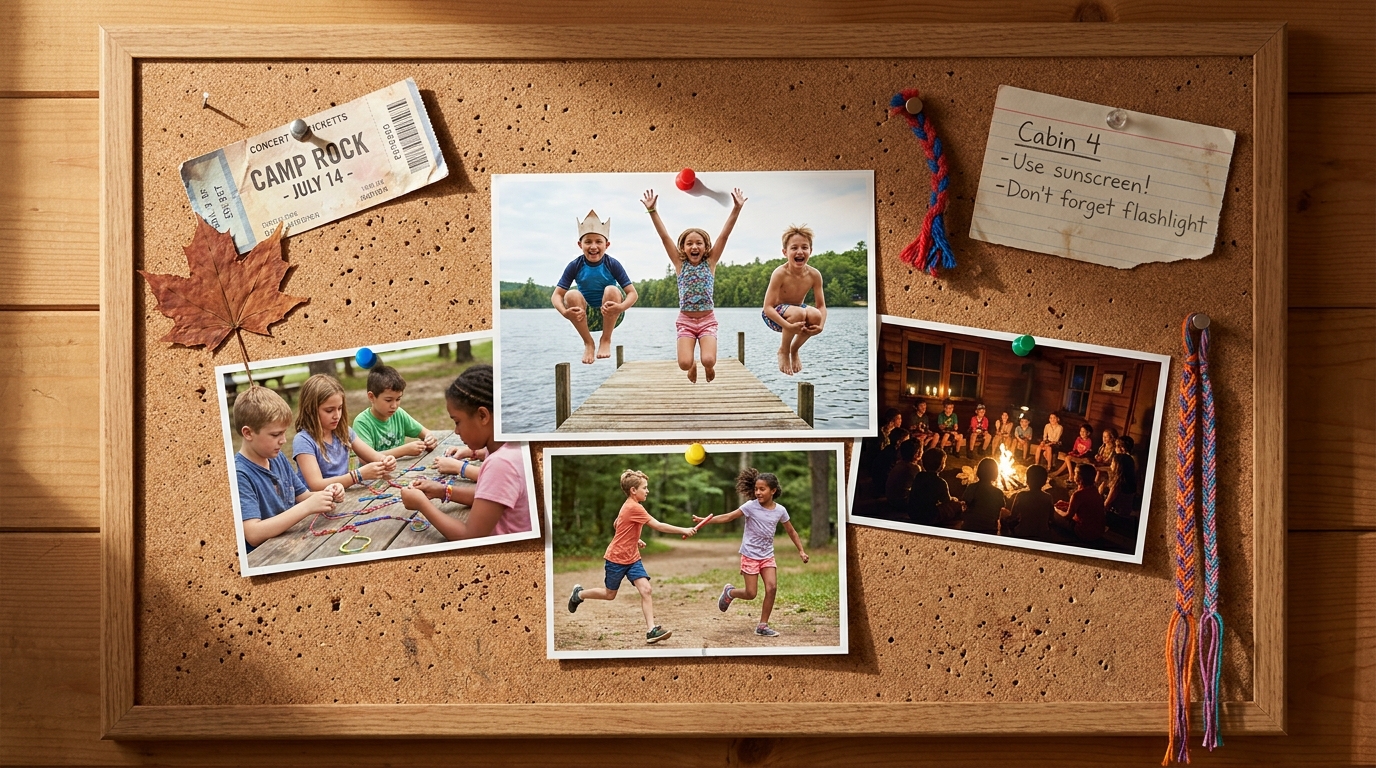
Traditional day camps in Culver City for summer 2026 are the workhorse of the local summer schedule — affordable rotation programs that run 8:30 a.m. to 3:30 p.m., cover the basics (sports, art, swim, free play, the occasional Friday field trip), and serve as the dependable backbone around which families slot in pricier specialty weeks. The 40-plus traditional day camps in our Culver City catalog cluster tightly between $200 and $450 per week, with park-district and YMCA programs at the bottom and private branded camps at the top.
What the traditional camp scene looks like in Culver City
There are roughly three flavors of traditional day camp in Culver City and immediate neighbors. The first is the park-district model — Culver City Parks, Recreation and Community Services runs full-summer rotations out of Veterans Memorial Park, Culver City Park, and the Senior Center gym, with weekly themes and a mostly local counselor pool. Pricing is the lowest in the city ($200 to $325 per week), capacity is generous, and the program’s been running long enough that many of the counselors started as campers themselves.
The second flavor is the institutional nonprofit — Culver City YMCA, Westside JCC, and a few church- and synagogue-run day camps offer the same broad-rotation format with stronger swim programs (most have on-site pool access) and slightly higher cost ($295 to $425 per week). The third flavor is private branded day camp — smaller programs run by independent operators or franchise groups, often with custom T-shirts, themed weekly trips, and a more polished social-media presence ($395 to $525 per week).
For most Culver City families, the practical question isn’t which flavor is “best” — it’s which one has openings during the week you need, runs to a pickup time that works with your commute (Sony Pictures, Apple TV+, downtown), and has a counselor your kid clicks with. By the second summer at any given camp, returning families almost never switch.
Cost ranges and what’s included in 2026
Median weekly pricing across our Culver City traditional day camp catalog as of April 2026 is $345 per week. The breakdown:
| Camp type | Typical weekly rate | What’s included |
|---|---|---|
| Park-district day camp | $200 - $325 | Rotation, lunch supervision, occasional field trip |
| YMCA day camp | $295 - $425 | Rotation + swim + occasional field trip + T-shirt |
| JCC day camp | $325 - $475 | Rotation + swim + values programming + theme weeks |
| Private branded day camp | $395 - $525 | Smaller groups, branded gear, more frequent field trips |
| Premium boutique day camp | $475 - $625 | Higher counselor ratio, on-site pool, transportation included |
The cost-per-week number is misleading without context — most families’ real total includes a $25 to $75 one-time registration fee, an extended-care add-on at $60 to $110 per week if you need before-or-after-hours coverage, and a $35 to $90 T-shirt or supply fee in some programs.
Ages and formats — how to match the camp to the kid
Traditional day camp is the closest thing to “you can’t really go wrong” in summer programming, but a few age-specific notes shave off the rough edges:
- Ages 4 to 5: Look for camps with explicit “young camper” or “transitional” groups, separate from the older cohorts. Half-day options often suit this age better than full-day in the first summer.
- Ages 6 to 8: The category’s sweet spot. Full-day rotations work well; kids start asking specifically for camps where their friends go.
- Ages 9 to 11: Old enough to want some autonomy in choosing afternoon activities. Camps with mid-week elective signups score well here.
- Ages 11 to 13: The “this is getting boring” risk shows up. Look for tween-specific cohorts, off-site field trip days, and the introduction of CIT-track programming.
- Ages 13 plus: Most kids age out of pure traditional day camp by 13. The natural next step is a CIT or junior-counselor program at the same camp, often heavily discounted or free in exchange for service hours.
Five Culver City traditional day camps worth a closer look
Camps in our catalog with multiple seasons of operating history at Culver City addresses or directly adjacent:
- Culver City Parks Summer Day Camp — the city’s flagship rotation program, $200-to-$325, ages 5 to 12, runs out of Veterans Memorial Park and Culver City Park. Best for resident families wanting an affordable, predictable full-summer slot.
- Culver City YMCA Summer Day Camp — strong swim component, scholarship-supported, $295-to-$425, ages 5 to 13. The Y’s Y-Achievers track keeps tweens engaged when straight rotation gets stale.
- Westside JCC Day Camp — values-rooted programming, themed weeks, $375-to-$525, ages 4 to 13. Wider geographic catchment than just Culver City but the bus stop network covers most of the area.
- Helms Bakery District-area boutique day camps — several smaller private operators run $395-to-$525 programs in renovated spaces near Helms. Smaller groups, more art and theater leaning than sports-heavy.
- Culver Crest area church- and synagogue-run day camps — usually $295-to-$425, often with extended-care included, smaller cohorts. Good fit for families who already have community ties.
You can browse the full live list at the Culver City traditional day camp directory, and for broader context our camp-format guide walks through what separates a well-run rotation program from one that’s coasting.
Questions to ask before you register
Most traditional day camp regrets aren’t about quality — they’re about poor format fit or surprise costs. The questions to ask:
- What’s the actual counselor-to-camper ratio in the specific age group my child will be in? (Published ratios are camp-wide; the youngest groups often have higher ratios than advertised.)
- How are groups divided — by age, by school grade, by sign-up order?
- What does the typical day actually look like, hour by hour? (A vague answer here is a yellow flag.)
- What’s the all-in price including registration, T-shirt, extended care, and field trip fees?
- What’s the policy if a kid is unhappy by Wednesday — refund, swap to a different group, sit with the camp director?
The honest answer to question 5 tells you more about a camp’s culture than the marketing copy ever will.
Methodology
Pricing ranges come from the Summer Camp Planner pricing_stats table refreshed nightly across our US + Canada catalog of 19,500-plus camps, filtered to traditional-tagged day camps with a Culver City address or pickup point. Camp recommendations are drawn from our verified-listings set with multiple seasons of operating history. As of April 2026.