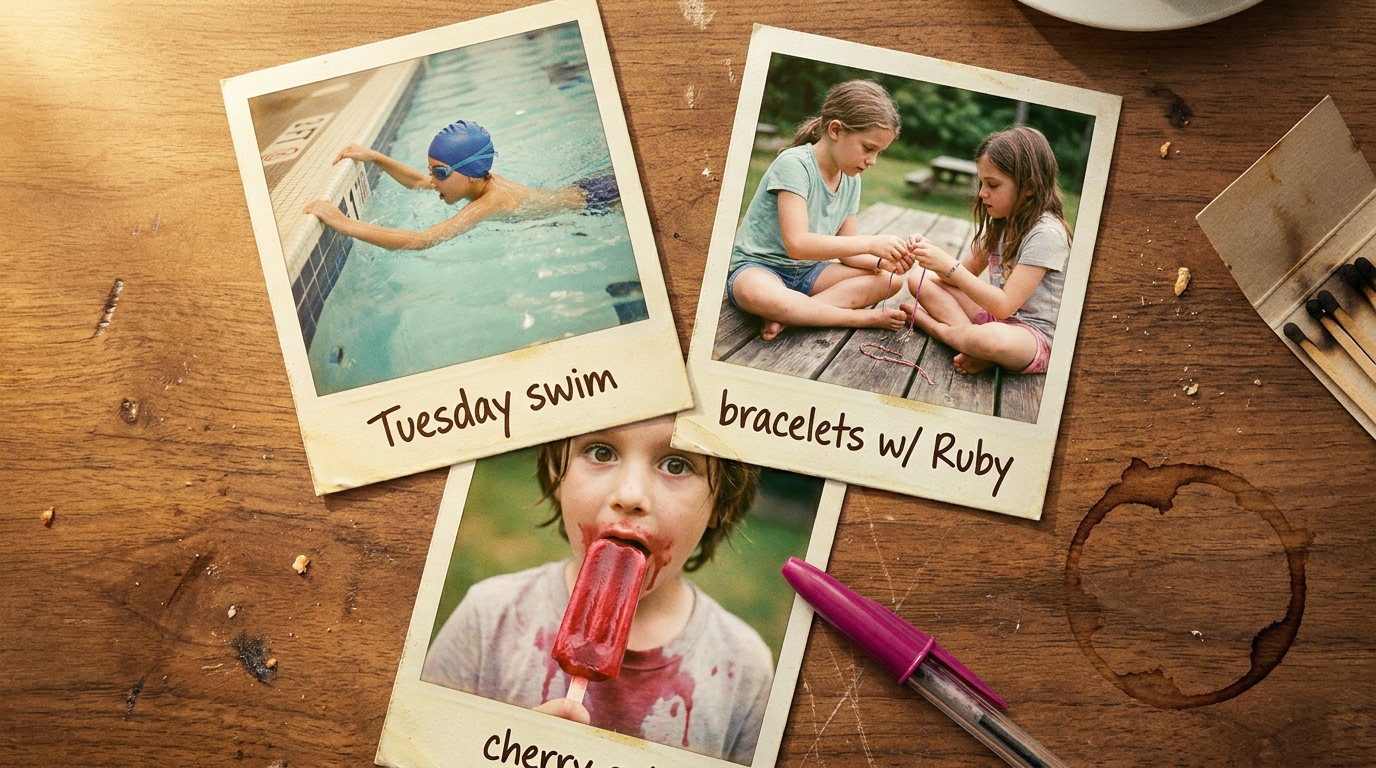
Chicago has more credible camp options for the 7-to-9 age band than almost any US metro. Between Chicago Park District programming, the strong North Shore and western-suburb private day camps, a deep STEM bench around the universities, and the Wisconsin and Michigan resident camps within driving range, the question for parents isn’t availability but fit. Here is how the 2026 lineup actually breaks down.
What early elementary kids actually need from a camp
Seven, eight, and nine year olds are at the sweet spot for camp. They have the stamina for a full day, the social skills to navigate a group, and enough independence to function without a parent on site. What they still need is structure: a predictable daily rhythm, a stable home base, the same counselors all week, and an activity menu that doesn’t ask them to make too many novel decisions.
Programs that move groups through six rotating activities a day tend to overwhelm this age band by Wednesday. Programs that stay in one location with two or three deep activities, plus free play and lunch, tend to land better. Mixed-age cohorts (6 to 10) usually work; cohorts that mix this age with teens generally do not.
Where Chicago pricing lands for 7 to 9 in 2026
Full-day Chicago camp weeks for this age cluster between $325 and $575 in 2026, with the Park District and suburban rec departments running well below that and a small set of premium private day camps reaching $700. The US 2026 national median is $402 per week, so Chicago sits right around baseline for the age group. The 2026 pricing guide has the broader context.
Park District weeks are the affordability anchor at $150 to $300 per week, with the well-known wrinkle that demand far exceeds supply at the most popular field houses. North Shore and western-suburb private day camps cluster at $450 to $650, often with bus service from a wide pickup radius. University-affiliated STEM programs (Northwestern, UChicago, IIT) for this age run $450 to $700 for half-day formats and higher for full-day. Wisconsin and Michigan day-trippable camps and short residentials push past $1,000 once you factor in the residential component.
Formats that fit this age band well
A few formats consistently match what 7-to-9 year olds need:
Traditional broad-based day camps. Pool, field, art room, gym. Same group all week. This format absorbs the widest range of kids in this age band.
Park District summer-day programs. Walkable, social, well-priced, usually staffed by neighborhood teens with one full-time adult per site. Quality varies by field house; ask other parents who’ve been.
Single-specialty weeks (soccer, gymnastics, Lego). Best for kids who already love the specialty. Skip if the choice is parent-driven.
Nature and farm camps in the Forest Preserve system or western suburbs. Strong fit for kids who do better outdoors than indoors.
Short residentials at Wisconsin and Michigan camps with first-time-camper tracks, for the readier end of this band.
The Chicago age 7-to-9 directory has the full filtered list. The Chicago STEM filter narrows to the specialty band that draws this age most.
What to screen out before you register
A few patterns to avoid for 7-to-9. Camps that combine this age with kids 12 and up in the same group, except for sibling-friendly outdoor camps designed for it. Programs that lean heavily on screen-based content for the day. Specialty camps where the marketing photos all show teenagers but the brochure says ages 6 to 14 — check who actually shows up.
Also: programs with vague daily schedules, programs that won’t tell you the staff-to-camper ratio, and programs that haven’t named their head counselors as of late April. These are not deal-breakers individually, but two or three together usually mean the operation is thinner than it looks.
How to start the Chicago search
The fastest path: filter the Chicago directory by age 7-to-9, narrow by neighborhood or commute radius, then sort by price band that matches your budget. Park District lottery rounds for 2026 closed in February but waitlists move into June. Private day camps still have peak-week availability at the time of writing for second-tier providers. The most-booked weeks are mid-July through the first week of August.
If you are choosing between two camps that both look reasonable, the how to choose a summer camp guide covers the comparison checklist. For this age band specifically, the two questions that predict fit best are: who are the counselors (full-time educators vs. high schoolers), and what is the rainy-day plan (a covered alternative location or a retreat to screens).
What parents say after the season
Parents of 7-to-9 year olds in Chicago consistently report that the best summer is two or three weeks of broad-based day camp, one specialty week, one Park District or rec-department week, and at least one unstructured week with family or grandparents. Loading eight straight weeks of full-day camp, even strong camp, produces visible burnout in most kids this age by early August.
The other consistent feedback: bus service matters more than parents expect at booking time. A camp ten minutes farther with a bus that picks up nearby is almost always a better choice than a closer camp that requires two daily car trips through Chicago summer construction. Check bus stops before commuting decisions.