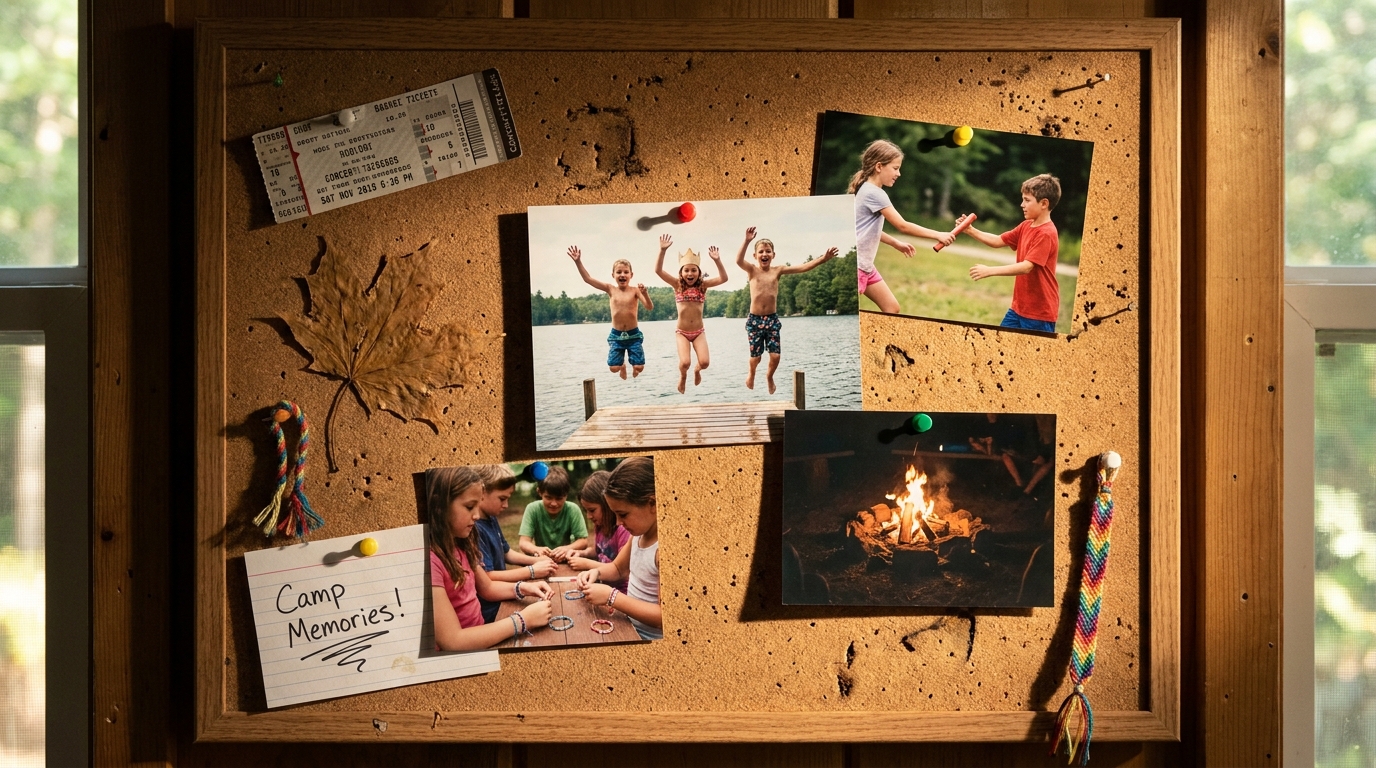
Kindergarten and first grade are the entry point to summer camp for most LA-area families, and Burbank’s market is well-suited to it. The City of Burbank Parks and Recreation programs anchor a strong rec layer, the Studio City and Glendale corridors add a private day-camp tier, and the specialty providers (gymnastics, swim, intro art and music) are denser here than in most US metros. The challenge isn’t selection — it’s resisting the urge to over-program a 5-year-old’s first summer.
What 5 and 6 year olds actually need
Kindergarteners do best in camps with a single home base, a familiar daily rhythm, and a stable counselor relationship. The developmental load of summer camp at this age is mostly social: leaving a parent, navigating a new group, reading new adults. Activity content matters less than the consistency of who and where.
The Burbank market mostly delivers this well at the rec and play-based level. Where it gets dicey is in mixed-age commercial day camps that run K-through-5 cohorts together. A 5-year-old in a group that includes 10-year-olds gets less age-appropriate activity, less counselor attention, and more sensory overwhelm. Filter the Burbank 5-to-6 directory for programs with K-only or K-1 banding rather than wide-range groups.
Pricing for the kindergarten band
Burbank pricing for this age sits above the US 2026 median of $402 per week, but the median is a less useful benchmark at the kindergarten band because so many programs are half-day. Half-day rec and play-based programs run $200 to $375 per week. Full-day kindergarten-track camps run $400 to $625. Specialty half-day weeks (gymnastics, swim, intro art, music) cluster at $325 to $550.
City of Burbank Parks and Recreation runs the budget baseline. Synagogue and church preschool extension camps, where they exist, often offer the best ratio-to-price ratio for first-time campers because the staff already knows the kids. Our 2026 pricing guide has broader context for comparing year-over-year.
Formats that work
Half-day rec or play-based. The default recommendation for first-time 5- and 6-year-old campers. Predictable, well-staffed, low cognitive load.
Specialty half-days. Single-skill programs (gymnastics, swim, soccer, intro art, music exposure) at this age are about exposure, not mastery. A week of gymnastics produces a kid who likes gymnastics, not a gymnast. That’s the right outcome. Look for programs that publish a kindergarten-specific track rather than aging down their elementary curriculum.
Preschool-extension camps. Programs run by a known preschool, often with familiar staff and peers, are the gentlest entry point. Particularly valuable for kids who are still cautious about new environments.
Full-day day camps with K-only groups. Acceptable for the second half of summer, after a half-day week has established the muscle. Look for separate K cohorts with their own home base, not blended K-2 or K-5 groups.
What to screen out
Mixed-age “ages 5 to 12” all-camp ranges are the single biggest red flag for this age. The 5-year-olds in those groups are quietly miserable for most of the day. Ask specifically how groups are formed and whether kindergarteners stay together for the full day or mix with older kids during transitions.
Loose ratios are the second flag. Anything above 1:10 for kindergarten-age kids is a real supervision concern, particularly around pools, bathrooms, and field-trip transitions. Ask whether the published ratio counts CITs or only adult staff.
Long pickup-drop-off radii are the third flag. A 5-year-old who is bused 40 minutes to a remote site, even a great site, often hits sensory overload before the day starts. The Burbank-local programs win on this dimension over the bigger commercial day camps that operate from distant facilities.
Where to start in Burbank
Start with one half-day rec or play-based week in mid-to-late June, after the first-grade transition has settled. See how it goes. If your kid comes home telling stories about a specific friend or a specific activity by Wednesday of week one, you can stack a second week. If they come home flat or clinging at drop-off by day three, scale back rather than push through.
Browse the Burbank kindergarten directory and the broader Burbank directory for the local rec and specialty options. The how to choose a summer camp guide walks through ratios, formats, and red flags in more depth. At this age, the right summer is closer to “two good weeks and a lot of unstructured time” than to “ten weeks scheduled wall to wall.” The kids who do summer camp best at 18 are usually the kids whose parents didn’t over-program them at 5.