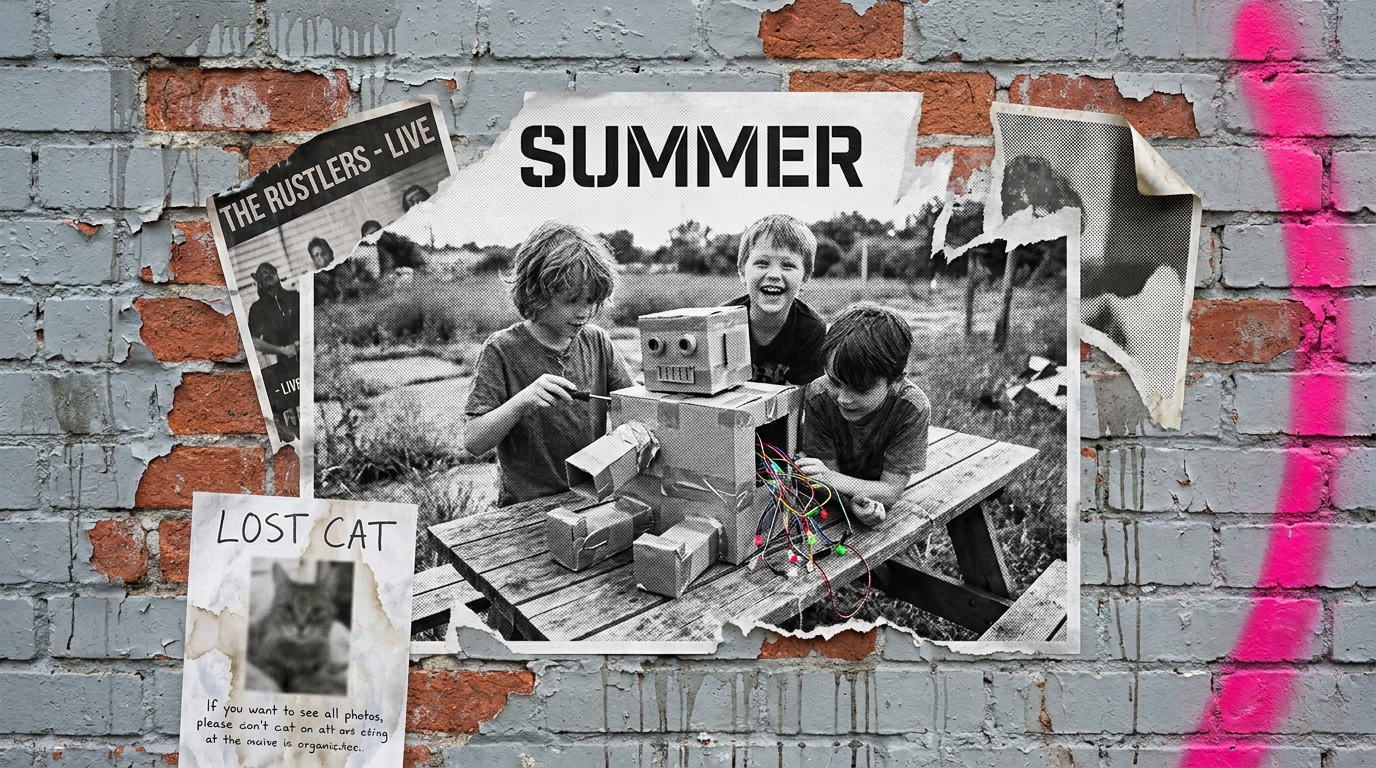
Burbank’s STEM camp lineup is stronger than you might expect for a mid-size city, in part because the studio ecosystem (Disney, Warner Bros., DreamWorks next door in Glendale, Nickelodeon, Cartoon Network) bleeds technical talent into camp instructor rosters. That gives Burbank a distinctive VFX, animation-pipeline, and game-development tier on top of the standard coding and robotics offerings. Here is the 2026 read.
How STEM camps lay out across Burbank
Three layers, similar to the arts side. A municipal and library tier (City of Burbank rec STEM weeks, library coding workshops) carries the affordable baseline. A national-brand and franchise tier (the usual coding, robotics, and game-design names) operates out of Burbank schools, libraries, and community centers. And a differentiated tier built around VFX, animation pipeline, AI, and game development pulls in working-pro instructors and is the actual local advantage.
Glendale, Pasadena, and the broader 134 corridor sit inside this market. CalTech-adjacent and JPL-adjacent programs in Pasadena are a 25-minute drive on a good morning, and many Burbank families work that range. The full slate is on the Burbank STEM directory.
What 2026 STEM weeks really cost
Burbank STEM pricing runs a little above the US 2026 median of $402 per week. A typical full-day coding, robotics, or engineering week for ages 8 to 12 lands at $475 to $725. AI, game-development, VFX, and animation-pipeline weeks reach $650 to $1,100 because of software seats, hardware, and senior instructors. Pre-portfolio teen tracks can clear $1,200 in some cases.
The affordable end is the city, library, and nonprofit layer, where weeks land at $175 to $375. Mid-tier coding and robotics franchises cluster at $475 to $675. The 2026 pricing guide has the broader picture if you want national medians by category.
Format-by-format age fit
Age 6 to 8 belongs in tinkering, light robotics, and visual-block coding weeks (Scratch, Beebot-style robotics, simple circuit kits). Avoid weeks that promise “real Python” at this age regardless of marketing. Typical pricing is $375 to $550 per week.
Age 9 to 12 is the productive sweet spot. The Scratch-to-text-code transition, real robotics with VEX or LEGO Spike Prime, drone weeks, engineering-challenge formats, and intro game development all fit here. This age is also where Minecraft and Roblox camps stop being babysitting and start producing real builds, when the program is run well. Typical pricing is $475 to $750 per week.
Age 13 and up unlocks Burbank’s category leadership. AI and machine-learning intro weeks, real game-development weeks (Unity or Unreal), VFX and motion-graphics weeks, app-building intensives, and CAD-and-3D-print weeks are all credibly available. Typical pricing is $650 to $1,100 per week, occasionally more for hardware-intensive tracks.
Five STEM formats to filter on
Categories that consistently produce strong weeks in this corridor:
VFX and animation-pipeline weeks. The local differentiator. Look for output (a finished sequence, a 3D build, a motion-graphics piece) rather than facility-tour content.
Real robotics with VEX, Spike Prime, or comparable platforms. Better than build-and-knockdown weeks. Look for ability grouping by experience, not only age.
Game development with Unity or Unreal. Realistic from age 11 or 12 with the right instructor. Verify a finished playable build by Friday.
AI and machine-learning intros for teens. Best when the week produces a working notebook or trained model the kid can show, not a slide deck.
City and library coding workshops. Affordable baseline. The right fit for a curious-but-not-yet-committed kid.
The pre-registration interview that pays off
Five questions worth asking before you commit:
- What does the kid leave with on Friday: a build, a deck, a saved project file, a video?
- What is the actual ratio in the room, and what is the ratio on the keyboards?
- Is the curriculum built for ability grouping, or does everyone do the same lesson?
- What hardware or software is required, and is there an add-on cost beyond tuition?
- Is need-based aid still open? Use the Burbank aid filter to short-list.
Patterns from past STEM summers
A few honest signals from Burbank STEM-camp feedback. VFX, animation-pipeline, and game-development weeks at the credible providers produce the deepest “this kid found a real thing” moments for ages 11 to 15, and the work is durable; kids return to projects in the fall in a way that rarely happens with broader STEM programming. Real robotics and engineering-challenge weeks reliably sustain interest in kids 9 to 12 when the program insists on ability grouping. Library and rec-tier coding weeks are great value for the curious-but-uncommitted kid and rarely produce regret.
The two failure modes to plan around are software-and-hardware lock-in and instructor turnover. Some weeks ask families to install software or buy hardware that only matches that program’s curriculum. And some franchise providers swap instructors week to week, so the marquee teacher in May is not necessarily the one in your kid’s August week. Ask both questions, and the Burbank STEM lineup is, on its merits, one of the more interesting in the country in 2026.