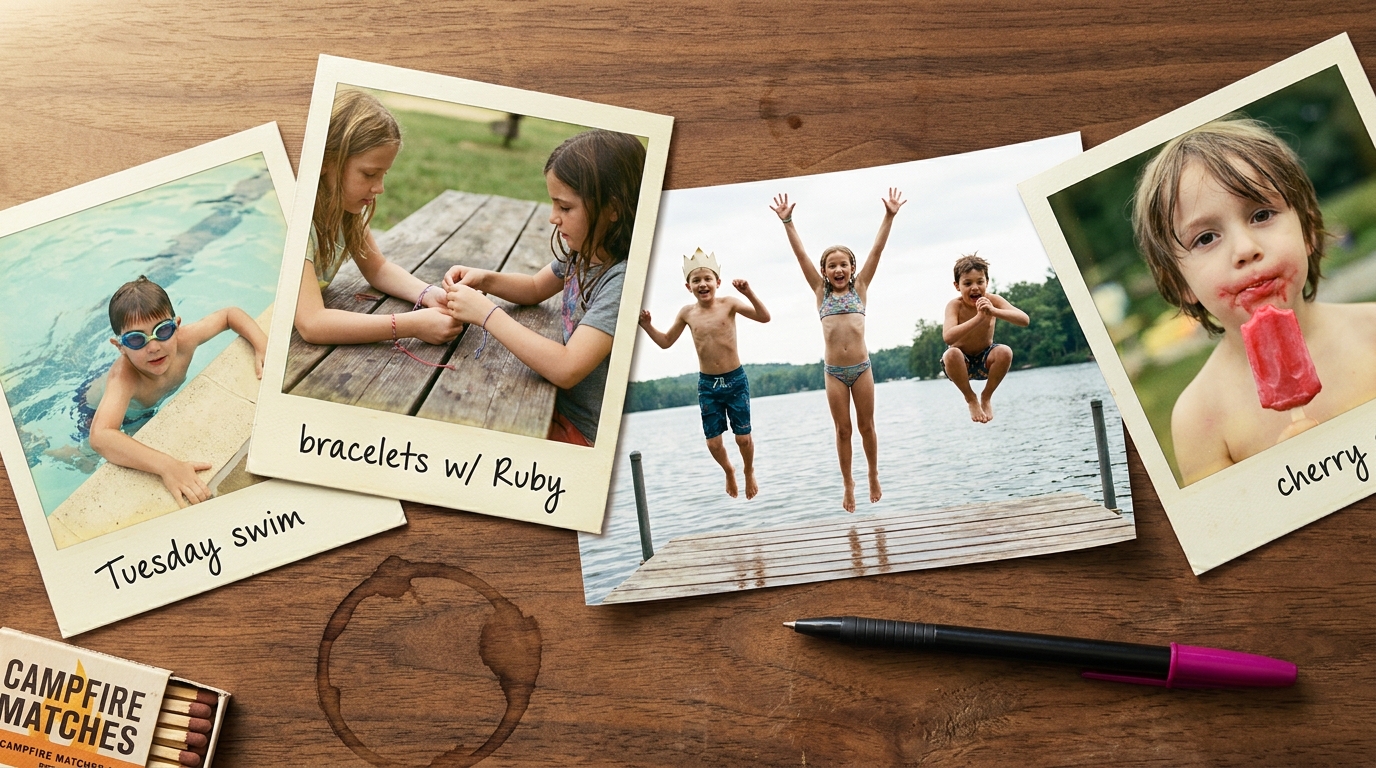
Baltimore has one of the deeper traditional day-camp benches on the East Coast — a function of the JCC and Y density, several long-running private day camps in Baltimore County, an unusually strong nature-center layer, and a city rec system that still operates summer programming at scale. For families who want the classic mixed-activity, group-identity, swim-instruction format, Baltimore is one of the easier metros in the country to choose from. Here’s what 2026 looks like and how to pick well.
How the Baltimore traditional scene actually breaks down
Traditional day camp in Baltimore lives in four overlapping layers. The first is the long-running private day camps — Beth Tfiloh, Camp Milldale at the JCC, Camp Wabanna’s day program, Camp Puh’tok for Boys and Girls — most of which have run continuously for decades and have well-established alumni networks. The second is the institutional layer: the JCCs, Ys, and large nonprofit camps that operate at scale across multiple sites. The third is the nature-center layer (Irvine, Cylburn, the Maryland Zoo, Adkins Arboretum’s outreach programs) which runs traditional-format weeks with a nature emphasis. The fourth is Baltimore City Rec and Baltimore County Rec, the affordable baseline.
Geography splits along familiar lines. Baltimore County north and west has the highest concentration of long-running private day camps. Baltimore City has the affordable rec layer plus a handful of strong nonprofit programs. Howard, Anne Arundel, and Harford counties run their own rec systems with similar pricing to the city. The full Baltimore traditional directory lists active 2026 programs.
What traditional camp costs in Baltimore in 2026
Pricing clusters more tightly than in most categories:
- City and county rec traditional weeks: $150 to $300. Reliable budget floor.
- JCC, Y, and nonprofit traditional: $375 to $475. Strong default tier.
- Nature-center traditional weeks: $400 to $525.
- Long-running private day camps: $500 to $750. Often include extended day, transportation, and a daily lunch.
The US 2026 median of $402 per week sits inside the JCC-and-Y bracket. Baltimore traditional pricing as a whole is meaningfully more affordable than DC, Northern Virginia, or Philadelphia equivalents, particularly at the rec and nonprofit tiers. The 2026 pricing guide has the national context.
What’s actually included matters more than the sticker price. Most private day camps include door-to-door bus, hot lunch, swim instruction, and snacks. Most rec and nonprofit programs price those as add-ons or require packed lunches. A $475 nonprofit week with packed lunch and parent drop-off can cost roughly the same all-in as a $600 private camp with bus and lunch — run the math before comparing.
Ages and formats that fit best
Age 5 to 6. Half-day version of any traditional camp, or a half-day at the JCC, Y, or nature-center programs. Avoid full-day at this age in a first summer.
Age 7 to 9. Full-day traditional is the format’s sweet spot. The mix of swim, sport, art, nature, and group games is exactly right. JCCs, Ys, nature centers, and the long-running private camps all do well at this age.
Age 10 to 12. Still a strong fit, but watch for kids who are aging out of the format. Most camps run a leadership-readiness or pre-CIT track at this age that adds responsibility and choice to the day.
Age 13 and up. Traditional camp on the camper side mostly stops working. The right path is either a specialty intensive or the camp’s CIT/LIT program, where the kid is on a track toward staff work at 16. Most established Baltimore traditional camps run real CIT cohorts.
Five formats inside “traditional” worth distinguishing
Traditional day camp is not one thing. The five sub-formats below behave differently:
Bus-based private day camp. Door-to-door transportation, full lunch program, large staff, broad activity slate. The premium tier; usually worth the price for working parents in Baltimore County north and west.
JCC and Y site-based. Mid-tier pricing, strong staff retention, well-established cohort. The default recommendation for most families.
Nature-center traditional. Outdoor-anchored, smaller groups, less swim emphasis. Best for kids who already prefer outside.
Rec-center traditional. Lowest cost, variable quality by site. Visit the specific location before signing up rather than judging the system as a whole.
Faith-affiliated traditional. Several long-running Episcopal, Catholic, and Jewish camps in the area. Format is mostly indistinguishable from secular peers; the affiliation shapes the cohort more than the daily program.
The broader Baltimore directory lets you compare across sub-formats.
What to ask before you register
Five questions worth asking the camp director:
- What’s the actual daily schedule — and how much of it is structured rotation versus open choice?
- Who are the lead counselors? Returning college-age staff with multi-year tenure indicate a healthy program; new hires every summer indicate the opposite.
- What’s the swim model? Daily instruction, free swim, or no swim at all changes what your kid will learn over a summer.
- What’s the all-in cost — including transportation, lunch, after-care, and trip fees?
- Is financial aid still available, what’s the deadline, and how is it structured?
The Baltimore financial-aid filter narrows the list to camps with published aid.
What parents report
Two patterns come up consistently in Baltimore traditional-camp feedback. First, multi-year tenure beats brand. Families who stayed at the same JCC, Y, or private day camp for three or four summers report deeper friendships, better fit, and lower stress than families who optimized year-by-year for the new shiny option. Second, the bus matters more than parents expect — both ways. A good bus ride with familiar kids and a stable driver becomes part of why kids love the camp. A bad bus situation poisons the whole experience.
For most Baltimore families, picking one default traditional program and running it three or four summers in a row is a stronger move than chasing a different camp every year.