Austin’s STEM-camp market is one of the deepest per capita in the country, and that’s not surprising given the metro’s tech employment base, the UT Austin pull, and the Thinkery’s role as a connective tissue for younger kids. The challenge in 2026 isn’t finding STEM weeks — it’s filtering signal from marketing. Here’s the lay of the land.
How Austin’s STEM scene actually breaks out
Austin’s STEM camps split across four credible tiers. At the foundational layer: the Thinkery, Austin Public Library, and city rec-center science weeks. These are well-priced, well-aged, and the right default for kids under 9. Mid-tier: commercial coding and robotics franchises (national brands with Austin locations) and a growing local-academy layer running camps out of co-working spaces and private schools. High tier: UT Austin’s engineering, computer-science, and AI camps, plus a handful of well-run independent programs anchored to current PhD students and working engineers. And residential: a small but real cluster of overnight STEM intensives at UT and at private campuses outside the metro.
Geographically, North Austin and the Domain area concentrate tech-affiliated commercial providers. UT Austin’s camps run on or near the main campus. Cedar Park, Round Rock, and Pflugerville have credible private-school-hosted STEM weeks. East Austin’s Thinkery and downtown library branches anchor the budget tier.
The Austin STEM directory lets you filter by sub-type (coding, robotics, engineering, science, AI, game design) before you compare prices.
What you’ll actually pay for STEM in Austin in 2026
Austin STEM pricing runs noticeably above the national median. A typical full-day coding or robotics week for kids 8 to 11 lands at $500 to $700 in 2026. UT Austin engineering and computer-science weeks reach $750 to $1,200. Residential STEM programs commonly clear $1,400 per week and can reach $2,000+ depending on duration and prestige. The US 2026 median of $402, broken down in our pricing guide, sits well below the Austin STEM median.
Budget options are real but require some hunting. Thinkery half-day and full-day weeks typically run $275 to $450. Austin Public Library STEM programs often run free or near-free. City Parks and Rec science weeks land at $175 to $325. These programs fill fast, so plan early.
Age fits that actually hold up
Ages 5 to 8 thrive in tactile, low-screen STEM weeks: maker projects, science discovery, simple engineering challenges, basic robotics with physical builds. The Thinkery and library programs dominate this age range for a reason. Avoid programs that put 6-year-olds in front of laptops for four hours.
Ages 9 to 12 hit the genuine sweet spot. Coding, robotics, game design, and applied-engineering weeks pay off here as kids develop the patience for iteration. This is also where commercial brands show their best work. Look for output-focused programs: a kid should walk out with a working game, a Scratch project they can share, a robot that does something specific.
Ages 13+ should be steered toward serious tracks if STEM is a real interest. UT Austin’s pre-college engineering, computer-science, and AI tracks deliver actual depth. Independent academy weeks running real Python, web development, ML fundamentals, or hardware projects also fit. Avoid teen weeks that recycle middle-school content with a fancier label.
Five STEM formats worth a closer look
Filter the Austin directory on these rather than chasing brand names:
Thinkery weeks for elementary kids. Reliable, well-aged, and the metro’s clear leader for under-10 STEM.
UT Austin pre-college engineering and CS. The strongest serious-track option in the metro for teens with real STEM interest.
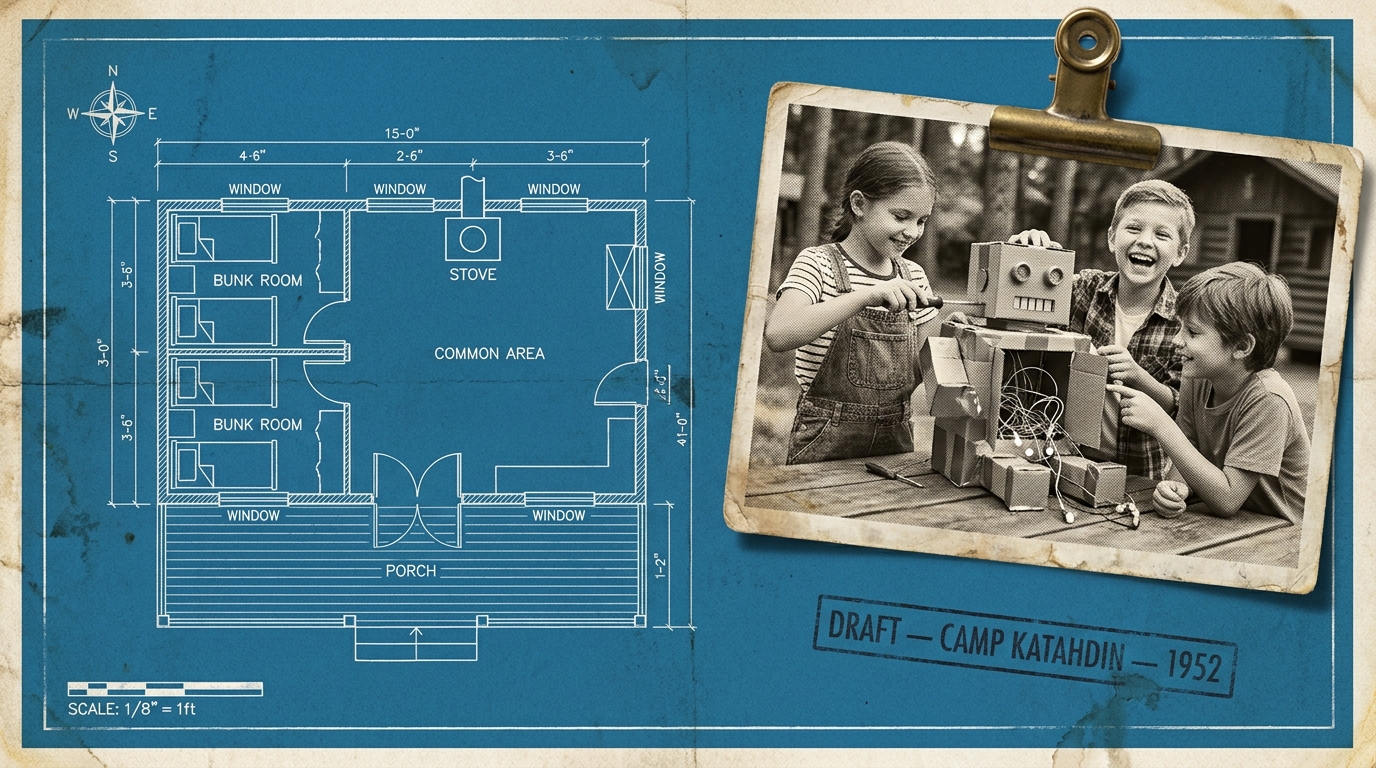
Robotics weeks with a concrete build deliverable. Look for “kids leave with a working robot,” not “kids learn about robots.”
Local-academy coding weeks (smaller rosters). Often a better value than the national franchises if the instructor pedigree checks out.
Library and Parks and Rec science days. The budget baseline. Worth knowing about even if your default is paid programming.
Questions to ask before you commit
A few questions cut through the polished STEM-camp marketing fast:
- Who is teaching — credentialed engineers and educators, or college-age counselors? Both can work, but the price you pay should match.
- What is the kid-to-instructor ratio during build or coding time? Anything looser than 8:1 fades fast.
- What does a kid actually walk out with — a project file, a video, a working device, or just photos and a t-shirt?
- How much screen time is in the day, and is that age-appropriate for your kid?
- Is financial aid still open and what’s the deadline?
Austin’s 2026 STEM-camp lineup is genuinely strong if you filter for substance over branding. The best programs are output-focused, age-aware, and honest about what a kid will and won’t learn in a week.